Tasting
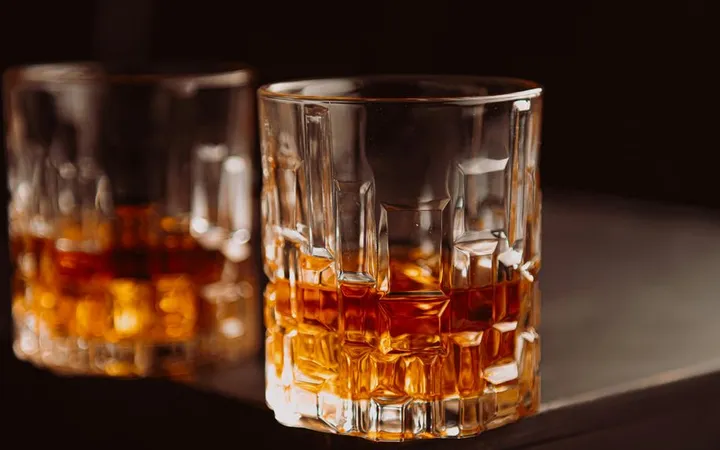
Chocolate and Whiskey Pairing Guide: Flavor Chemistry to Specific Bottles
How to pair chocolate with bourbon, rye, single-malt Scotch, Irish, and peated whiskey using shared flavor chemistry, origin character, and intensity matching.
How to pair chocolate with bourbon, rye, single-malt Scotch, Irish, and peated whiskey using shared flavor chemistry, origin character, and intensity matching.
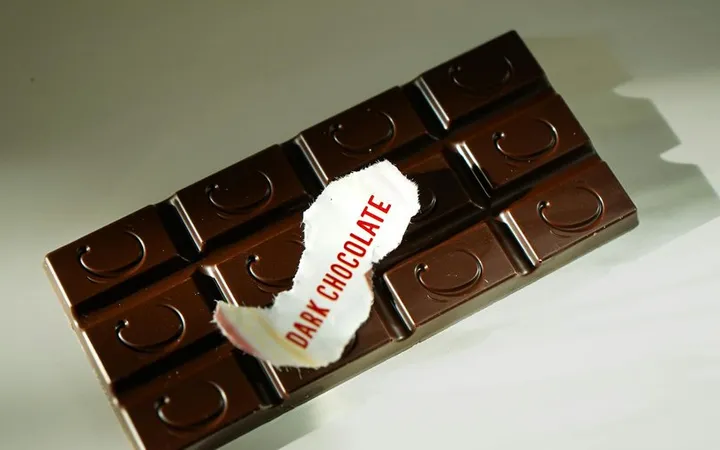
Chocolate has been on the migraine trigger list for fifty years, but every double-blind challenge trial has failed to confirm it. The reverse-causation story — prodrome cravings before the headache starts — explains why patients and doctors got fooled.
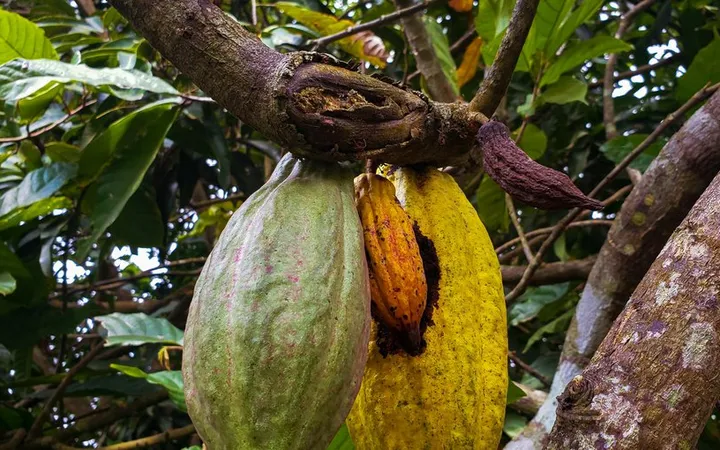
CSSV has infested 592,000 hectares of Ghanaian cocoa farms. The Badnavirus, its mealybug vector, and Ghana's $230M cut-and-replant rehabilitation program — explained.
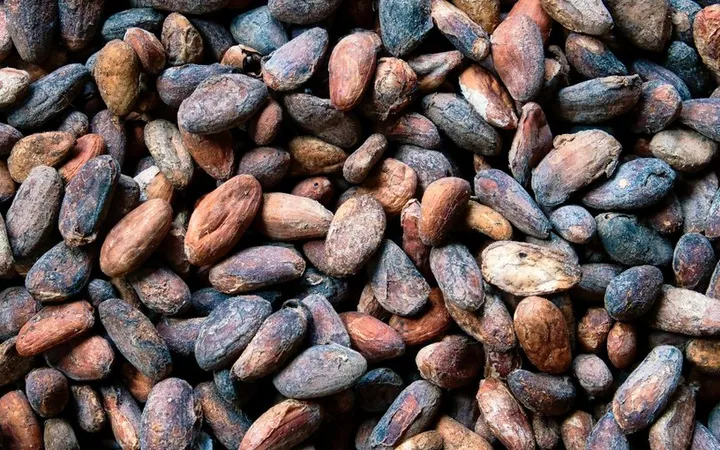
Cacao beans were the small-change money of the Aztec empire — priced in 1545 records, taxed as Codex Mendoza tribute, hauled by pochteca, counterfeited, and still circulating into the 1800s.
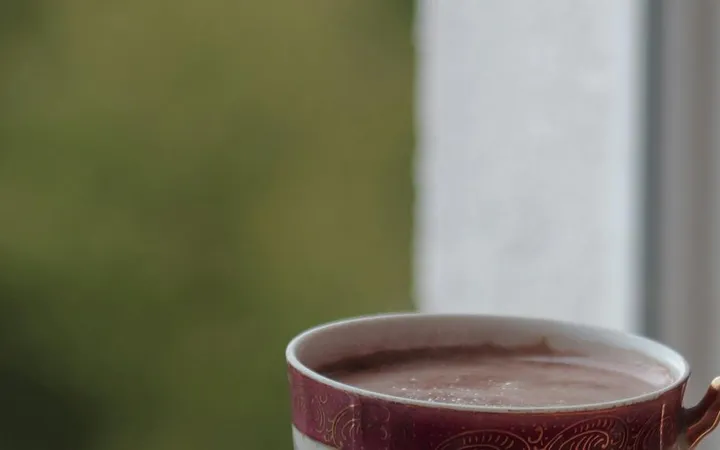
Brew cacao husk tea from the bean shells left over after winnowing. Brewing parameters, flavor profile, theobromine content, pet-safety, and a comparison to cascara.
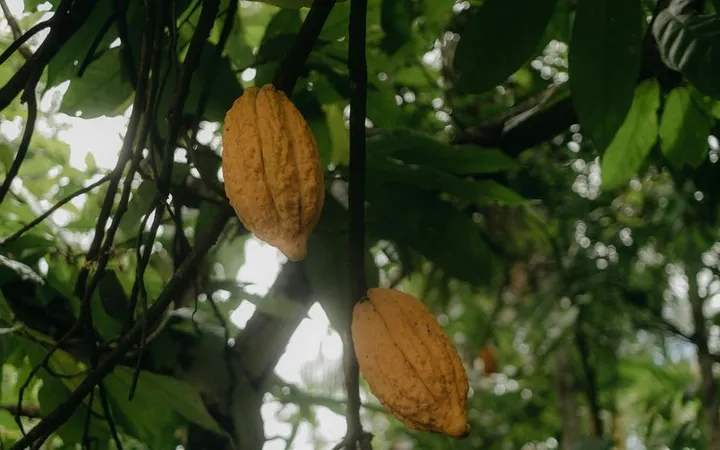
Cacao depends on tiny biting midges (Ceratopogonidae, mostly Forcipomyia) to set pods. Only 1 to 5 percent of flowers ever fertilize — and that biology shapes the entire chocolate industry.
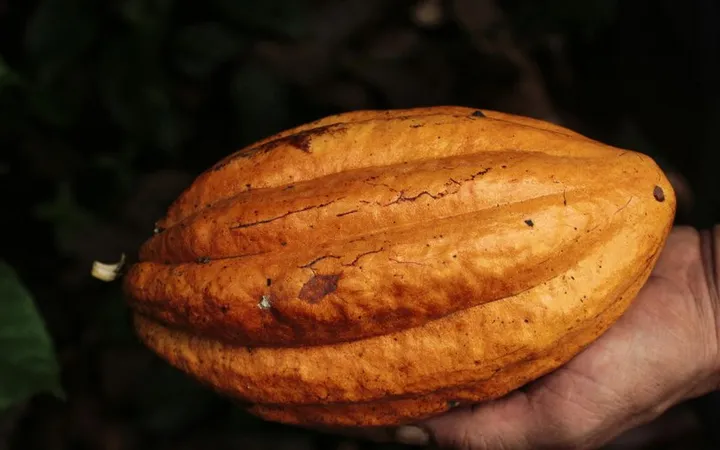
How the ancient Maya and Aztec actually made chocolate — the metate, the cylindrical vessel, the pour-from-height frothing, and the bitter, maize-thickened drink that preceded sugar by a thousand years.
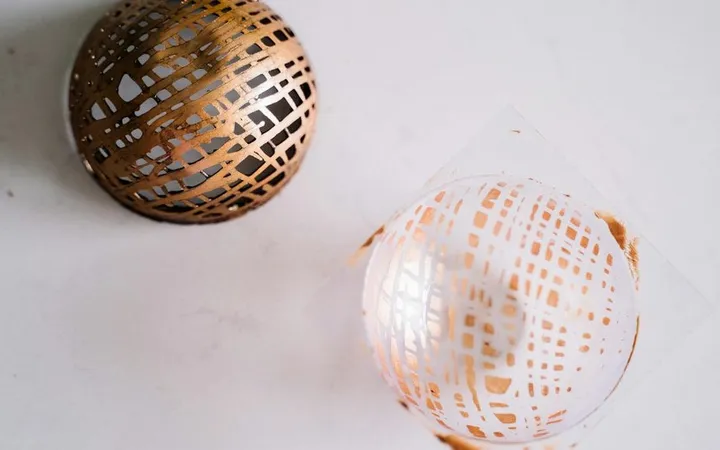
Complete guide to chocolate transfer sheets — how cocoa butter ink bonds to tempered chocolate, the four workflow uses, application sequence, troubleshooting, and where to buy PCB Creation, Chef Rubber, and Designer Stencils sheets.
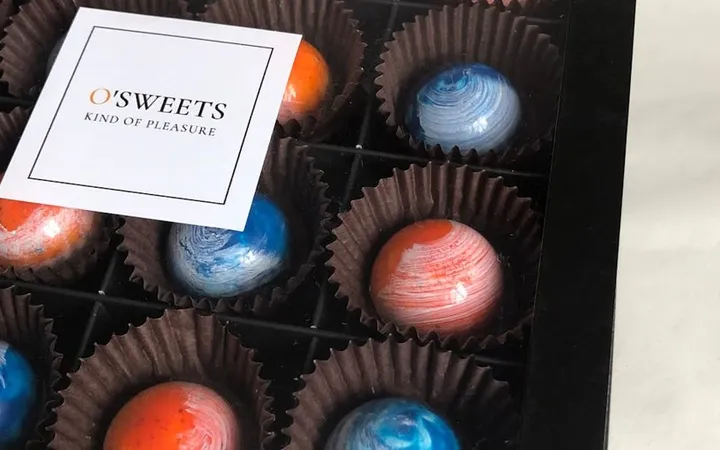
How colored cocoa butter actually works, the brands worth using, the temper window, and the five hand-application techniques beyond airbrush — verified working temperatures and pigment families.
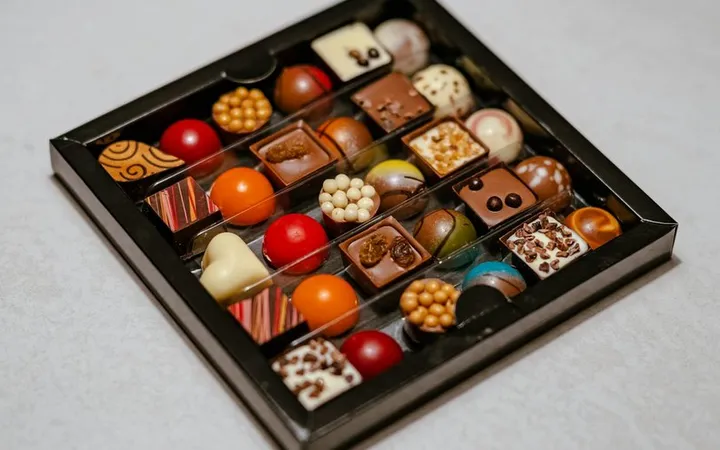
A complete guide to airbrushing tempered colored cocoa butter onto polycarbonate molds — verified airbrush specs, working temperatures, and the failure modes to avoid.
A regional tour of American bean-to-bar chocolate — who is making it, where to buy it, and how a generation of small-batch makers (including Pittsburgh's Dulcinea Craft Chocolate) reshaped what U.S. chocolate can taste like.
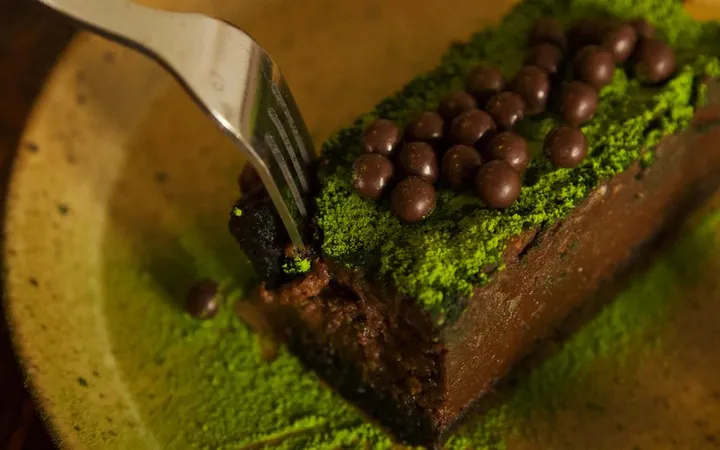
How tea-infused chocolate works, from matcha ganache to bergamot cocoa nibs. Covers flavor chemistry, the parallel histories of tea and cacao, seasonal selection boxes, and the chocolatiers who built the genre.
In 1879 in Bern, 24-year-old Rodolphe Lindt left a chocolate-mixing machine running over a weekend and discovered conching. He kept the secret for twenty years, then sold it to Sprüngli for 1.5 million gold francs.
Casparus van Houten's 1828 hydraulic press separated cocoa butter from cocoa solids and made every modern chocolate product possible. Here's the verified history.
How Swiss chocolatier Daniel Peter, working with Henri Nestlé's condensed milk in Vevey, invented milk chocolate in 1875 — and why it took eighteen years from breakthrough to the first commercial Gala Peter bar.