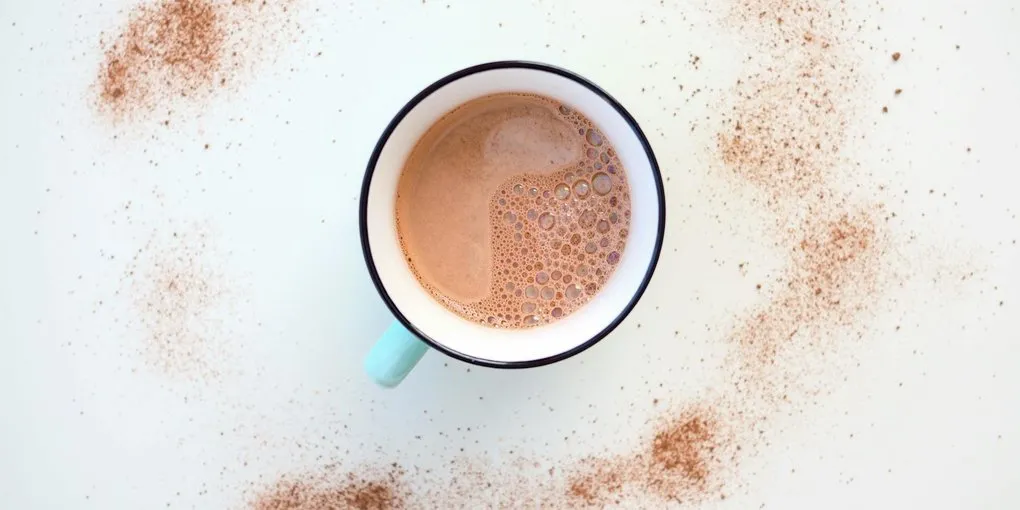
Drinking chocolate came first. For roughly 3,800 years — from the Mayo-Chinchipe culture around 3300 BCE through the Maya and Aztec civilizations — chocolate was a beverage, not a bar. Eating chocolate did not exist until J.S. Fry and Sons produced the first eating bar in 1847. Every chocolate bar you have ever tasted is a relatively recent invention. The drink is the original.
Making drinking chocolate from your own roasted beans or finished chocolate connects you to that history while producing something vastly better than anything made from commercial cocoa powder.
The Three Traditions
Drinking chocolate falls into three broad categories, each with its own method and character.
Mesoamerican-style is the oldest form. Ground cacao mixed with water (sometimes maize), frothed by pouring from height, served at room temperature or cold. Bitter, unmodified by sugar. This is what the Maya and Aztec actually consumed.
European-style is what happened after the 1544 Kekchi Maya delegation brought chocolate to Spain. The Europeans served it hot (not cold), sweetened with cane sugar, and flavored with cinnamon and anise. They frothed it with a molinillo instead of pouring from height. This is the ancestor of modern hot chocolate.
Modern craft uses the tools and understanding of bean-to-bar making to produce a thick, intense drinking chocolate from finished chocolate or nibs, designed to showcase origin character the way a craft bar does.
Method 1: From Finished Chocolate
The simplest approach. If you have already made bean-to-bar chocolate, you can turn it into drinking chocolate with nothing more than heat and liquid.
Base recipe (1 serving):
- 40 to 50g of your finished dark chocolate (any percentage)
- 180ml whole milk, oat milk, or water
- Sweetener to taste (optional if your chocolate already contains sugar)
Process:
- Chop or grate the chocolate finely. Smaller pieces melt faster and more evenly.
- Heat the liquid to approximately 70 degrees Celsius — steaming but not boiling. Boiling can scorch the chocolate and cause the milk to skin.
- Pour a small amount of hot liquid over the chocolate. Stir until melted and smooth, creating an emulsion.
- Add the remaining liquid gradually, stirring continuously.
- Whisk vigorously or use a molinillo or milk frother to create foam.
Character adjustments:
- Richer: Use more chocolate (60 to 70g per serving) and less liquid.
- Thinner: Use less chocolate (30g) and more liquid. This approaches a hot cocoa consistency.
- Dairy-free: Water works but produces a thinner body. Oat milk provides creaminess without dairy.
- Spiced: A cinnamon stick steeped in the hot milk, a pinch of cayenne, or a scrape of vanilla bean.
The advantage of using finished chocolate is that it is already refined and conched. The particle size is below the 20-micron grittiness threshold, so the drink is smooth. The sugar content is already balanced. You are essentially undoing the tempering and molding steps and returning the chocolate to a liquid state.
Method 2: From Roasted Nibs (Mesoamerican Approach)
This method skips the melanger entirely and produces a rustic, textured drinking chocolate with a character very different from anything made with refined chocolate.
Base recipe (2 servings):
- 50g roasted cacao nibs
- 400ml water
- 20g sugar or honey (optional — traditional preparations were unsweetened)
- Pinch of ground cinnamon (optional)
Process:
- Grind the roasted nibs in a spice grinder or mortar and pestle. You want a coarse powder, not a smooth paste. The melanger would give you refined chocolate — that is a different product. The grittiness is part of the character here.
- Combine the ground nibs with water in a saucepan.
- Heat gently to just below a simmer, stirring frequently. The cocoa butter in the nibs will begin to melt and integrate.
- Steep for 5 to 10 minutes at low heat.
- Strain through a fine mesh strainer if you want a smoother drink, or leave the grounds in for a more textured experience.
- Froth by pouring between two cups from height (the Mesoamerican method), using a molinillo, or using a whisk.
Character: Rough, complex, and nothing like commercial hot cocoa. You taste the full spectrum of the nib — including the fiber, the polyphenols, and whatever remains of the roast character. This method is closer to drinking coffee (with the grounds) than to drinking hot chocolate (from refined powder).
Historical note: The Maya ground cacao on a stone metate, mixed it with maize and water, and frothed it by pouring from height. The Aztec reserved xocolatl for elites, warriors, and ceremonies, and used cacao beans as currency — one turkey cost 20 to 100 beans.
Method 3: Modern Craft Drinking Chocolate
This method uses cocoa mass (chocolate liquor) or very roughly refined chocolate as a base, producing a drink with the intensity of craft chocolate and the smoothness of a European preparation.
Base recipe (2 servings):
- 60g cocoa mass (unsweetened, roughly refined — 4 to 8 hours in the melanger)
- 300ml whole milk or alternative
- 30 to 40g sugar
- Pinch of salt
Process:
- Roughly refine your nibs in the melanger for 4 to 8 hours. This is enough to release the cocoa butter and break down particles, but you are not aiming for the 10 to 20 micron target of bar chocolate. For drinking chocolate, 30 to 40 microns is acceptable because the liquid medium masks texture.
- Remove the mass from the melanger while warm.
- Heat milk to 70 degrees Celsius.
- Add the cocoa mass and sugar. Whisk vigorously until fully incorporated.
- Continue whisking or blending until frothy.
- Taste and adjust sweetness. The mass is unsweetened, so you have full control.
Character: Intense, thick, and layered. Origin character comes through strongly because you have not conched for long enough to oxidize the volatile aromatics. The drink will be brighter and more complex than one made from fully conched finished chocolate — which may or may not be desirable depending on the beans.
Alkalizing for Drinking Chocolate
If you are making drinking chocolate with water rather than milk, you may notice that cocoa solids resist mixing smoothly. Unmodified cocoa is acidic (pH around 5.0) and somewhat hydrophobic. This is where alkalizing — the Dutch process — becomes relevant.
Alkalizing treats cocoa with potassium carbonate (the most common alkali) to raise the pH to 6.8 to 8.5. This neutralizes free acids, mellows flavor from harsh and acidic to milder, and critically increases dispersibility in water. The color also darkens, ranging from natural light brown to near-black depending on the alkali used and the degree of treatment.
For home drinking chocolate, alkalizing is optional but useful. Typical dosage is 0.5 to 3.0% by weight of nibs, applied at 60 to 90 degrees Celsius for 1 to 4 hours. Be aware that alkalizing reduces flavanol and polyphenol content and changes the flavor profile — it is a trade-off between ease of preparation and flavor authenticity.
Most craft drinking chocolate is made without alkalizing, relying instead on fat content (from the cocoa butter) and vigorous mixing to create a stable emulsion.
Sweetener Options
The choice of sweetener in drinking chocolate matters more than in solid bars because the liquid medium distributes flavor more evenly.
Cane sugar is the neutral baseline — clean sweetness without additional flavor character.
Honey adds floral complexity. It works particularly well with lighter, fruitier beans from origins like Madagascar or Peru.
Maple sugar brings a deep, smoky sweetness that pairs well with Bolivian or PNG beans where darker flavor notes are already present.
Coconut sugar introduces caramel notes but also introduces hygroscopic concerns. In a liquid preparation, this matters less than in bar making.
No sweetener is historically authentic and surprisingly palatable if the beans are high quality. The natural bitterness of unsweetened cacao, tempered by fat and warmth, is its own category of flavor.
Tips for the Best Cup
Temperature matters. Serve drinking chocolate between 60 and 70 degrees Celsius. Below 55, the cocoa butter begins to solidify and the drink becomes gritty and filmy. Above 75, volatile aromatics are driven off and milk scalds.
Fat is your friend. The cocoa butter in your chocolate or nibs creates body and carries flavor. Do not skim it. If using nibs directly, include all the fat — it is the reason drinking chocolate has richness that cocoa powder cannot match.
Froth changes the experience. Aerating the drink changes both mouthfeel and aroma perception. The bubbles carry volatiles to your nose more effectively than a flat surface, amplifying the aromatic experience.
Make it small. Traditional drinking chocolate is an intense, concentrated experience served in small cups — 100 to 150ml, not a 350ml mug. Treat it like espresso rather than drip coffee.
For more on the history of drinking chocolate from its Mesoamerican origins through European adoption, see our history of chocolate. For the foundations of bean-to-bar making that feed into these recipes, see our beginner’s guide.
Frequently Asked Questions
- What is the difference between drinking chocolate and hot cocoa?
- Drinking chocolate is made from whole chocolate or ground cacao nibs, retaining the cocoa butter. Hot cocoa is made from cocoa powder, which has had most of the cocoa butter pressed out. Drinking chocolate is richer, thicker, and more complex because the fat carries flavor and creates body. Cocoa powder produces a thinner, more one-dimensional drink.
- Can I make drinking chocolate from cacao nibs?
- Yes. Grind roasted nibs in a spice grinder to a coarse powder, combine with hot water or milk, steep for 5-10 minutes, and strain if desired. The result is rustic and textured -- more like coffee than commercial hot chocolate. This method is closer to the Mesoamerican original, where Maya ground cacao on a stone metate and mixed it with water.
- What is alkalizing and should I do it for drinking chocolate?
- Alkalizing (Dutch processing) treats cocoa with potassium carbonate to raise pH from ~5.0 to 6.8-8.5. It mellows acidity, darkens color, and increases dispersibility in water. It is optional for drinking chocolate -- useful if making water-based drinks, but reduces polyphenol content and changes flavor. Most craft drinking chocolate skips alkalizing and relies on fat content and vigorous mixing instead.
- What is the best temperature for serving drinking chocolate?
- Serve between 60-70 degrees Celsius (140-158F). Below 55C, cocoa butter begins to solidify, creating grittiness and a fatty film. Above 75C, volatile aromatics are driven off and milk scalds. This temperature range keeps the cocoa butter liquid while preserving the aromatic compounds.
- How is Mesoamerican drinking chocolate different from European?
- Mesoamerican drinking chocolate was mixed with water (sometimes maize), frothed by pouring from height, served at room temperature or cold, and was bitter -- no sugar. Europeans changed everything: they served it hot, sweetened with cane sugar, added cinnamon and anise, and frothed with a molinillo. This transformation happened after the 1544 Kekchi Maya delegation brought chocolate to Spain.
- How much chocolate should I use per serving?
- For a rich drinking chocolate, use 40-50g of finished chocolate per 180ml of liquid. For a thinner, more approachable drink, use 30g per serving. For an intensely thick experience, use 60-70g. Traditional drinking chocolate was served in small cups (100-150ml), not large mugs -- treat it like espresso rather than drip coffee.