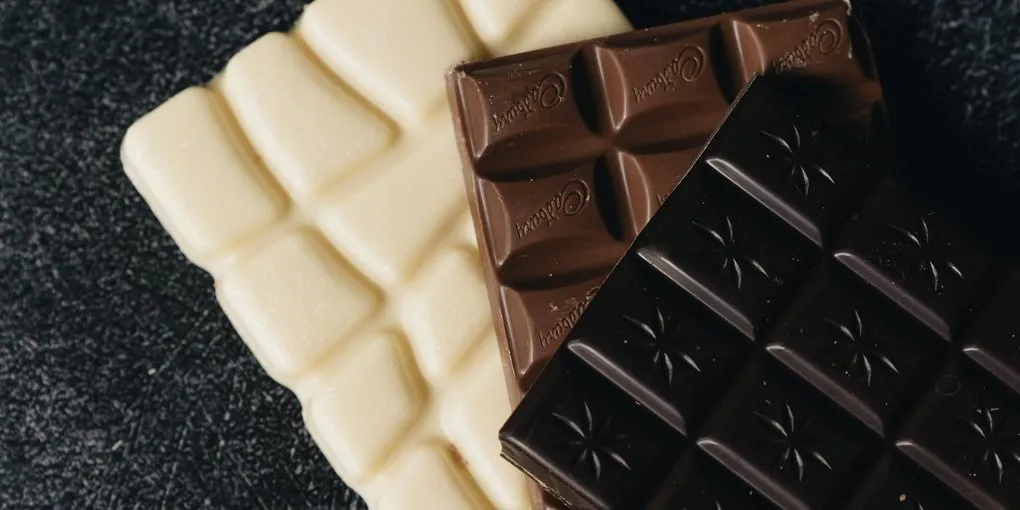
Dark chocolate formulation is not a single recipe — it is a design space. The same cacao beans, roasted the same way, will produce five distinctly different bars depending on how much sugar, cocoa butter, and lecithin you add. Each formulation changes the mouthfeel, the flavor balance, and the way origin character presents itself.
These five recipes start from a common base of well-roasted, well-winnowed nibs and move from the simplest possible chocolate to the most complex. All quantities assume a 1-kilogram total batch, which is a convenient working size for a Spectra 11 or similar home melanger.
Before starting any of these, you need roasted and winnowed nibs. See our guides to roasting and cracking and winnowing for the foundational steps.
Recipe 1: Two-Ingredient 70% (The Craft Standard)
This is the format that defines American craft chocolate. Dandelion Chocolate’s standard is 70% cocoa and 30% sugar, with no added cocoa butter, lecithin, or vanilla. It is the purest expression of a bean’s origin character.
Formula:
- 700g cocoa nibs
- 300g cane sugar
Sugar calculation: Sugar = (NibWeight / %) - NibWeight = (700 / 0.70) - 700 = 300g
Expected fat content: 34 to 41% total fat, depending on origin. This comes entirely from the natural fat in the nibs (49 to 58% fat multiplied by the 70% cocoa fraction).
Process notes:
- Pre-warm the melanger bowl to 160 degrees Fahrenheit to prevent seizing.
- Add nibs first. Let them break down for 15 to 20 minutes until liquefied.
- Add sugar gradually over 30 minutes. Adding all the sugar at once can seize the melanger.
- Total refining and conching time: 18 to 24 hours.
- Dandelion notes that adding sugar appears to “freeze” the current flavor state — add it when you like the flavor balance, not before.
Character: Drier, crisper mouthfeel. Origin flavor is fully exposed — bright notes, acidity, and any astringency are all present. Thicker viscosity than bars with added fat, which can make molding more demanding. This format rewards excellent beans and precise roasting.
Tempering: Melt to 120 degrees Fahrenheit, table or seed to 80 degrees, bring to working temperature of 85.5 to 87 degrees Fahrenheit. Some origins prefer as low as 85 degrees.
Recipe 2: Two-Ingredient 85% (High Intensity)
Pushing the percentage higher reduces sugar to 15%, exposing more of the bean’s raw character. This is a challenging format that works best with low-polyphenol beans (Criollo or Criollo-heavy genetics) that have been well-fermented.
Formula:
- 850g cocoa nibs
- 150g cane sugar
Sugar calculation: (850 / 0.85) - 850 = 150g
Expected fat content: 42 to 49% total fat. The higher nib proportion means more fat overall.
Process notes:
- Same melanger loading procedure as Recipe 1.
- Because there is less sugar to buffer bitterness and astringency, bean selection is critical. The Flavors of Cacao data shows that bars at 80% and above score lower on average — the margin for error is thin.
- Consider extending conching to 24 to 30 hours. The additional oxidation time helps mellow polyphenol astringency that sugar would otherwise mask.
- Conch with the lid off for the final 4 to 6 hours to drive off volatile acids.
Character: Intense, nearly unsweetened. The 15% sugar provides just enough sweetness to create a flavor bridge without truly softening the experience. Bitterness and astringency are prominent. Best as a tasting chocolate in small pieces rather than a snacking bar.
When to use this recipe: When the beans have exceptional complexity that you want to showcase without much sugar interference. Well-fermented beans where 75% or more of the cut test shows brown cross-sections are essential. Under-fermented beans at 85% produce nearly inedible chocolate.
Recipe 3: Three-Ingredient 70% (Added Cocoa Butter)
Adding cocoa butter produces a smoother, more fluid chocolate while maintaining the 70% cacao percentage. The added fat changes the mouthfeel from crisp to creamy and makes tempering and molding significantly easier.
Formula:
- 600g cocoa nibs
- 100g cocoa butter
- 300g cane sugar
Cacao percentage: (600 + 100) / 1000 = 70%
Expected fat content: Approximately 39 to 43% total fat (nib fat plus added butter).
Process notes:
- Add cocoa butter at the beginning of refining, along with the nibs. Dandelion recommends adding it early so it integrates as the nibs break down.
- The additional fat makes the melanger mass more fluid from the start, which can improve refining efficiency.
- Sugar addition is easier because the mass is less prone to seizing with the extra fat phase.
- Total refining and conching: 18 to 24 hours.
Character: Smoother mouthfeel than the two-ingredient version. The added fat suppresses the perception of acidity and astringency slightly, which can be a positive or negative depending on your intent. Origin character is still present but slightly muted compared to the two-ingredient format. This is the bridge between the American craft philosophy and the European tradition.
Comparison to Recipe 1: Side by side, the three-ingredient version will taste richer and less angular. It is more approachable for people who find two-ingredient chocolate too dry or intense.
Recipe 4: Four-Ingredient European-Style 70%
The standard European formulation adds lecithin to the cocoa butter addition. This produces the smoothest, most fluid chocolate — easiest to temper, easiest to mold, and the format most familiar to chocolate consumers worldwide.
Formula:
- 595g cocoa nibs
- 100g cocoa butter
- 300g cane sugar
- 5g soy lecithin (0.5%)
Cacao percentage: (595 + 100) / 1000 = 69.5%, rounds to 70%
Expected fat content: Similar to Recipe 3, approximately 39 to 43%.
Process notes:
- Load nibs and cocoa butter together.
- Add sugar gradually after nibs have broken down.
- Add lecithin during the final 1 to 2 hours of conching. This is critical — lecithin added too early gets incorporated into the particle mass rather than coating particle surfaces, reducing its effectiveness.
- FDA caps emulsifiers at 1% total. Dandelion recommends max 0.5%. The ideal range is 0.01 to 0.05%, but at 0.5% the effect on viscosity is dramatic.
- Above approximately 0.5 to 0.6% lecithin, yield value actually increases. Do not exceed the maximum.
- Lecithin takes roughly 10 times less material than cocoa butter for the same viscosity reduction.
Character: Smooth, fluid, classic chocolate mouthfeel. This format prioritizes texture and accessibility over raw origin expression. The lecithin rounds out any rough edges in the melt. It is the best format for molded bars, bonbons, and chocolate work where flow properties matter.
No systematic quality difference tied to format alone exists in the Flavors of Cacao data. Two-ingredient bars are the American craft statement; four-ingredient bars are the European tradition. Both can be excellent.
Recipe 5: Spiced Dark Chocolate 70% (Chili and Cinnamon)
Spiced chocolate has roots that go back to Mesoamerican use, where cacao was mixed with chili, vanilla, and other aromatics. This modern craft version uses a two-ingredient base with ground spices added during the final hours of conching.
Formula:
- 685g cocoa nibs
- 300g cane sugar
- 10g Ceylon cinnamon (ground fine)
- 5g ancho chili powder (ground fine)
Cacao percentage: 68.5% (the spices displace some cacao)
Process notes:
- Make the base chocolate (nibs + sugar) using the standard two-ingredient process.
- At hour 18 to 20 of refining, add the ground spices. Adding spices too early means they over-refine and lose potency. Adding them in the last few hours gives the melanger time to integrate the particles while preserving flavor intensity.
- Both cinnamon and chili should be ground to a powder consistency before adding. Coarse particles will not refine adequately in just a few hours.
- Taste at 30-minute intervals after adding spices. Chili heat intensifies over time in the melanger.
- Adjust quantities based on the heat level of your specific chili. Ancho is mild. If using cayenne, start at 1 to 2 grams and increase cautiously.
Character: Warm, complex, with a slow-building heat that does not overwhelm the chocolate. The cinnamon provides warmth in the mid-palate while the chili builds on the finish. The origin character of the beans is still present but plays a supporting role to the spice interplay.
Variations:
- Espelette pepper instead of ancho for a more gradual, less pointed heat
- A scraped vanilla bean added at hour 12 for depth
- A pinch of smoked salt folded in after refining for a savory-sweet profile
Choosing the Right Recipe for Your Beans
The recipe should serve the bean, not the other way around. Here is how to match formulation to raw material.
High-acid, fruity beans (Madagascar, Peru Piura): Recipe 1 (two-ingredient 70%) showcases the bright, tart character these origins are known for. Madagascar’s defining red berry and raspberry notes, or Piura’s grape and tangerine character, sing in the two-ingredient format because there is nothing to suppress them. Adding cocoa butter (Recipe 3) will mute the acidity — which may or may not be desirable depending on your preference.
Floral, delicate beans (Ecuador Nacional, some Criollo): Recipe 1 or Recipe 3. Ecuadorian Nacional’s jasmine and violet aromatics are fragile. An 85% recipe (Recipe 2) will overwhelm them with polyphenol bitterness. The 70% two-ingredient preserves them; the three-ingredient version with added butter may slightly soften the edges for a more approachable bar.
Dark, smoky, or earthy beans (PNG, Bolivia): Recipe 3 or Recipe 5. The added cocoa butter in Recipe 3 tempers the intensity of smoky origins. The spiced version (Recipe 5) gives you a creative framework for working with assertive flavors — chili and cinnamon complement rather than fight smoke and earth notes.
Low-polyphenol, mild beans (Venezuelan Porcelana, well-fermented Criollo): Recipe 2 (85%) is possible here because the naturally low polyphenol content keeps bitterness manageable even at high percentage. These are the beans that can handle high intensity without becoming harsh.
Unknown or untested beans: Always start with Recipe 1. The two-ingredient 70% format is your evaluation tool. It reveals the bean’s true character without any fat or emulsifier masking. Once you understand the bean, you can formulate around it.
Tempering Notes for Each Recipe
The tempering parameters shift slightly depending on the formulation.
For all five recipes, melt to 120 degrees Fahrenheit (48.9 degrees Celsius) to destroy all existing crystal forms. Cool to approximately 80 degrees Fahrenheit on a marble slab or by seeding. Bring to working temperature.
- Recipes 1, 2, and 5 (no added butter/lecithin): Working temperature 85.5 to 87 degrees Fahrenheit. Some origins prefer as low as 85 degrees. Do not exceed 90 degrees.
- Recipes 3 and 4 (added cocoa butter/lecithin): The additional fat makes the chocolate more fluid at working temperature. You may find a slightly lower working range (85 to 86 degrees) gives better set. The lecithin in Recipe 4 further reduces viscosity, making the chocolate easiest to work with during molding.
All recipes: if the chocolate exceeds 93 degrees Fahrenheit during working, add tempered seed chocolate to reintroduce Form V crystals. For detailed tempering methodology, see our tempering guide.
Formulation Principles
Across all five recipes, several principles hold:
Sugar is not just sweetness. It modulates bitterness, rounds acidity, and creates flavor bridges. Moving from 30% to 15% sugar does not just make chocolate “less sweet” — it fundamentally changes the flavor architecture.
Fat determines mouthfeel. More fat means smoother, creamier, more fluid. Less fat means drier, crisper, more intense. The choice is aesthetic, not qualitative.
Lecithin is a precision tool. Small amounts have enormous impact on flow properties. Large amounts make things worse. Respect the dosage window.
Conching time must match the recipe. Higher-percentage recipes need more conching to manage bitterness. Spiced recipes need less post-spice conching to preserve spice character. The melanger does not know your intent — you need to.
For the complete theory behind these choices, see our chocolate recipe formulation guide. For specific guidance on adding fat, see adding cocoa butter to chocolate. For conching technique, see our conching guide.
Frequently Asked Questions
- What is the simplest dark chocolate recipe?
- Two ingredients: 700g cocoa nibs and 300g cane sugar for a 70% bar. This is the American craft standard used by Dandelion Chocolate. The sugar formula is: Sugar = (NibWeight / percentage) - NibWeight. No added cocoa butter, lecithin, or vanilla. The result has 34-41% natural fat depending on origin and a drier, crisper mouthfeel than European-style bars.
- How do I calculate sugar for different chocolate percentages?
- Sugar = (NibWeight / percentage as decimal) - NibWeight. For 70%: (700 / 0.70) - 700 = 300g sugar. For 85%: (850 / 0.85) - 850 = 150g sugar. The formula scales linearly -- adjust the percentage denominator for any target.
- What is the difference between two-ingredient and four-ingredient chocolate?
- Two-ingredient (nibs + sugar) is the American craft format that prioritizes origin flavor transparency, with a drier mouthfeel and 34-41% natural fat. Four-ingredient (nibs + cocoa butter + sugar + lecithin) is the European tradition that prioritizes smooth texture and flow properties, with approximately 39-43% total fat. The Flavors of Cacao data shows no systematic quality difference tied to format alone.
- When should I add lecithin to chocolate?
- Add lecithin during the final 1-2 hours of conching. Adding it too early causes it to be incorporated into the particle mass rather than coating particle surfaces, reducing its effectiveness. Ideal dosage is 0.01-0.05%, maximum 0.5%. Above 0.5-0.6%, yield value actually increases -- more lecithin makes chocolate thicker, not thinner.
- Can I make spiced chocolate in a melanger?
- Yes. Make your base chocolate (nibs + sugar) first, then add finely ground spices at hour 18-20 of refining. This gives the melanger time to integrate the particles while preserving flavor intensity. Taste every 30 minutes after adding spices -- chili heat intensifies over time. Start with mild chilies (ancho) and adjust up from there.
- Why does higher-percentage chocolate need longer conching?
- With less sugar to buffer bitterness and astringency, the polyphenol impact is more prominent at higher percentages. Extended conching (24-30 hours) allows more oxidation time to mellow these compounds. Conching with the lid off for the final 4-6 hours drives off volatile acids. Well-fermented beans (75%+ brown on cut test) are essential for high-percentage recipes.
- How does adding cocoa butter change chocolate flavor?
- Adding cocoa butter increases total fat, which suppresses the perception of acidity and astringency. Origin character is still present but slightly muted compared to a two-ingredient bar. The mouthfeel shifts from crisp and dry to smooth and creamy. The trade-off is dilution of the non-fat cocoa solids that carry the most intense flavor compounds.