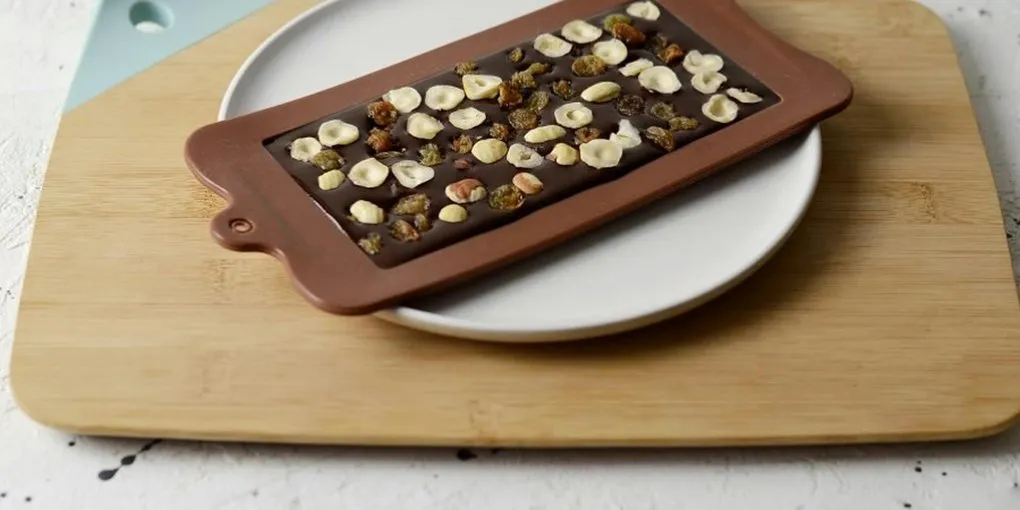
Polycarbonate molds are the right choice for bean-to-bar chocolate makers. They produce the cleanest release, the best gloss, and the most consistent results with properly tempered chocolate. Silicone molds are a common beginner choice but they do not produce the glossy finish or the clean snap that defines a well-made bar. Cheap plastic molds warp with repeated use and thermal cycling.
Why Mold Choice Matters for Tempered Chocolate
The mold is not just a shape-holder. It is a functional part of the crystallization process. When well-tempered chocolate (primarily Form V crystals) is poured into a cold polycarbonate mold and allowed to set, two things happen: the chocolate releases latent heat as it crystallizes (about 157 J/g for cocoa butter), and it contracts very slightly as the crystalline structure tightens. This contraction pulls the chocolate away from the mold surface, allowing it to pop free cleanly when inverted.
This contraction-and-release mechanism only works with good temper and a rigid mold. Silicone is flexible enough that any contraction advantage is irrelevant — the mold bends around the chocolate rather than the chocolate pulling away from the mold. The result is adequate release but no gloss and no snap.
Polycarbonate molds, being rigid and transparent, allow the chocolate to contract against a surface it cannot follow. The result is the mirror finish that defines a professional bar.
Polycarbonate Molds: What to Know
JB Prince Polycarbonate Bar Mold
Standard craft chocolate bar molds run 40g to 100g per cavity. The most common sizes are 80g (a typical retail single-origin bar) and 50g (a tasting bar). For home use, a single 3-cavity mold that produces three 80g bars per pour is the practical starting point.
Key specifications to look for:
Thickness: Thicker polycarbonate (at least 5mm) holds its shape across hundreds of uses and thermal cycles. Thin polycarbonate warps within a year of regular use.
Cavity finish: Food-grade polycarbonate molds intended for chocolate production have a highly polished interior. This polish is what transfers to the chocolate surface. Scratched or cloudy interiors produce dull bars. Cleaning with anything abrasive destroys the finish and it cannot be restored.
Cavity depth: Deeper molds (5 to 7mm cavity depth) produce bars that have enough mass to snap audibly and hold their temperature long enough to taste properly.
Bar Mold Sizes and Formats
The craft chocolate bar format has largely converged on approximately 50g to 80g rectangles. This is partly practical — it gives enough mass for proper tasting — and partly market convention. Retail bars in the US market are most commonly 70g to 85g.
For tasting flights and pairing events, a thinner 20g tablet format in a multi-cavity mold allows more bars per batch. For bonbons and ganache-filled pieces, the mold requirements are different — polycarbonate half-sphere or polyhedral molds are standard for professional use.
Cleaning and Care
Polycarbonate molds should never go in the dishwasher. The heat and detergent combination scratches the surface and leaves residue that causes sticking. The correct method:
After demolding, wipe any residual chocolate from cavities while the mold is still warm (chocolate releases cleanly when slightly above room temperature). Rinse with warm water — no soap. Dry immediately with a soft cloth. Polish cavities with a clean, dry cotton cloth before the next use to ensure no water spots or dust are present.
If a mold develops sticking problems despite good temper, the surface may have been scratched. Look for matte or cloudy areas inside cavities. A scratched mold cannot be repaired and should be retired.
Silicone Molds: When They Are Appropriate
Silicone molds have legitimate uses even for serious chocolate makers. For decorative elements — bark, bark chunks, irregular shapes — where gloss is not the goal, silicone’s flexibility makes demolding easier. For high-cocoa-butter formulations that tend to be very sticky, silicone can provide easier release than polycarbonate.
But for the primary retail bar format where you want mirror gloss and clean snap, silicone does not produce the same result. The finish is matte, not glossy. The release is dependent on refrigeration rather than crystalline contraction.
The Role of Tempering in Mold Release
No mold compensates for poor tempering. If chocolate is poured into a polycarbonate mold while under-tempered or with a broken temper, it will not contract properly and will stick. Even polycarbonate requires well-tempered chocolate to work as intended.
The test: after pouring and allowing to set at room temperature (about 20 minutes for dark chocolate), invert the mold. Well-tempered bars should fall out cleanly with light pressure or a gentle tap. If you have to flex the mold or scrape at bars, the temper was inadequate.
Read our tempering guide for complete protocol, and our fat bloom and sugar bloom prevention guide for why good molding technique matters for long-term shelf life.
Mold Storage
Polycarbonate molds should be stored flat, not stacked with other objects pressing on the cavity surfaces. Any abrasion to the interior surface degrades the polish. A dedicated shelf or flat drawer is the standard storage method in professional operations.
Keep molds away from sources of grease, oil, or cleaning spray. Any contamination inside the cavity will transfer to the bar surface and cause sticking.
Complete Starter Setup
For a home maker just getting started with molded bars:
One or two 3-cavity polycarbonate bar molds in 80g format gives you six bars per tempering session — enough to test different parameters and still have bars to taste and share. Add a spray bottle for fine-misting the molds with tempered chocolate for a pre-coat (the first thin layer builds a cap that releases cleanly), though this step is optional at home scale.
For production, you will want more molds. At Dandelion’s Valencia Street scale, production runs batches through multiple molds simultaneously to keep continuous tempering machines running at capacity. At home, a session takes however long it takes and mold count matters less.
Integration with the Full Process
Molds come at the very end of the chocolate-making process — after roasting, winnowing, grinding, conching, and tempering. A small error anywhere in the chain shows up at the mold: gritty texture from insufficient refining, gray surface from poor temper, sticking from inadequate Form V crystallization.
For the complete equipment picture, see our bean-to-bar equipment guide. For understanding what makes bars release cleanly at the crystal level, read our article on cocoa butter chemistry and polymorphism.
Frequently Asked Questions
- What type of mold is best for bean-to-bar chocolate?
- Polycarbonate molds are the standard for craft chocolate. They produce mirror-finish gloss, clean demolding through crystalline contraction, and consistent results with properly tempered chocolate. Cheap plastic warps with repeated use, and silicone produces a matte finish without the glossy surface that defines a professional bar.
- Why do polycarbonate molds produce glossier chocolate?
- The highly polished interior of a polycarbonate mold transfers directly to the chocolate surface. Well-tempered chocolate also contracts slightly as Form V crystals tighten, pulling the bar away from the mold surface cleanly and preserving the mirror finish. Silicone molds flex rather than allowing this contraction-and-release mechanism.
- How do I clean polycarbonate chocolate molds?
- Never put polycarbonate molds in the dishwasher — heat and detergent scratch the polished surface. Wipe residual chocolate while the mold is still warm, rinse with warm water only, dry immediately with a soft cloth, and polish cavities with a dry cotton cloth before use. A scratched mold surface cannot be restored and causes sticking.
- Can I use silicone molds for bean-to-bar chocolate?
- Silicone molds work for irregular shapes, bark, and applications where gloss is not the goal. For the standard retail bar format where mirror finish and snap are important, silicone produces a matte surface and requires refrigeration for release rather than the natural crystalline contraction that polycarbonate enables.
- What size chocolate bar mold should I start with?
- A 3-cavity polycarbonate mold producing 80g bars is the standard starting point. The 80g format matches common retail sizes and provides enough mass for proper tasting. Smaller 50g tasting bars are useful for comparison flights. The specific cavity size is less important than getting food-grade polycarbonate with a thick, well-polished surface.
- My chocolate sticks in the mold even though I use polycarbonate. What is wrong?
- Sticking in polycarbonate molds is almost always a tempering problem. Well-tempered chocolate with Form V crystals will contract away from the mold and release cleanly. Under-tempered chocolate does not contract adequately and sticks. Check your tempering protocol — verify you are hitting the working temperature range and not exceeding 90°F during molding.